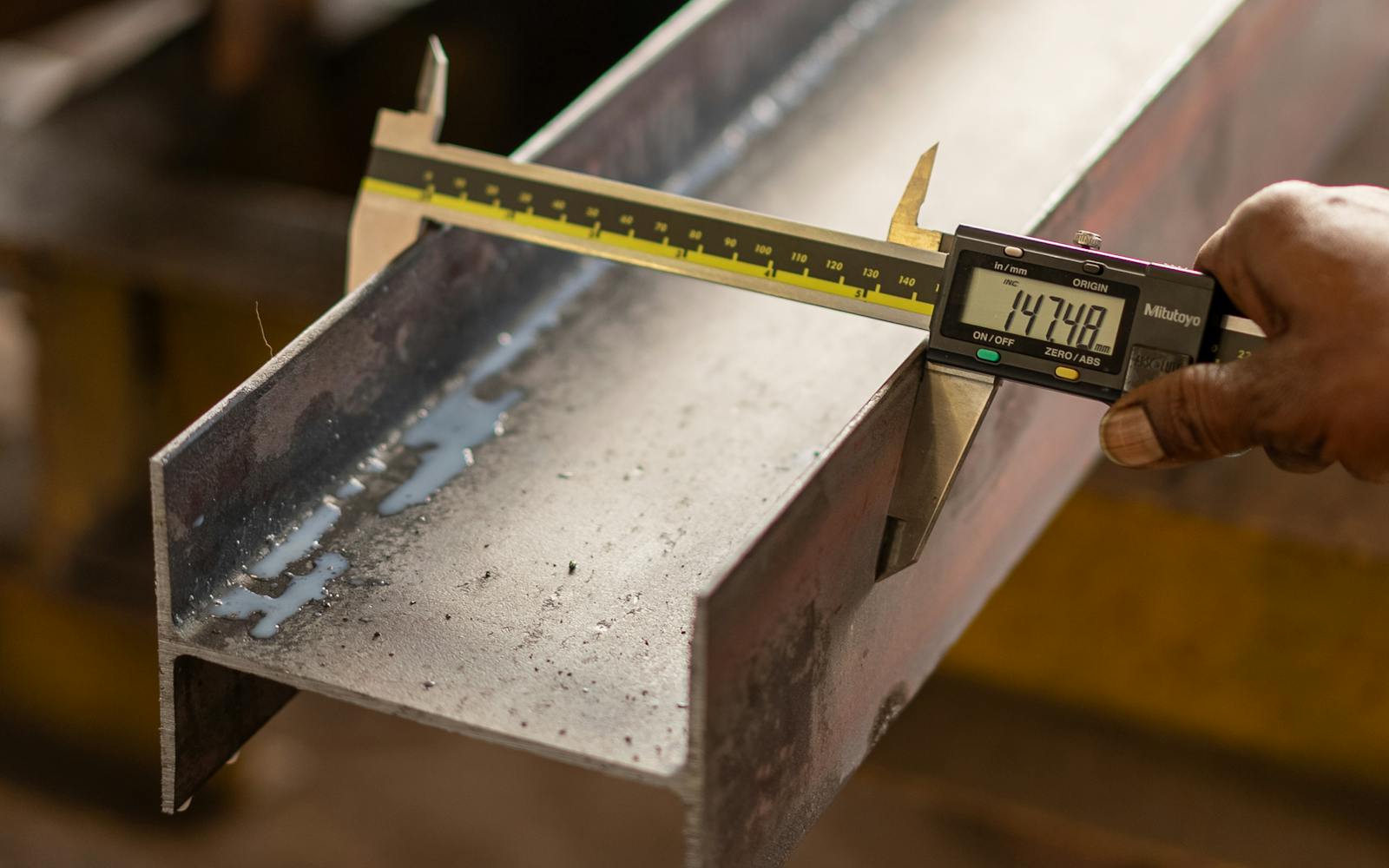
Cost approach
What it would cost to replace the asset today, less depreciation for age, wear and obsolescence. Strongest for special-purpose or rarely-traded equipment.
Precision isn't a slogan here, it's a process. Every appraisal is USPAP-compliant, built on the three recognized approaches to value, concluded under the right premise, and reviewed before it leaves. Here's exactly how.
The standard
USPAP, the Uniform Standards of Professional Appraisal Practice, is the code every credible appraisal in the U.S. is held to. A USPAP-compliant machinery & equipment appraisal means a qualified, independent appraiser inspected the assets, applied recognized methodology, stated the premise and effective date, named the intended use and users, and signed a report that can withstand lender, IRS, audit and legal review. Every Lukes Werks report meets that bar, prepared by a NEBB-certified Machinery & Equipment Appraiser (CMEA).
The three approaches
We select and weight the approaches that fit the asset and the assignment, and we tell you which we used and why.
What it would cost to replace the asset today, less depreciation for age, wear and obsolescence. Strongest for special-purpose or rarely-traded equipment.
What comparable assets actually sell for, adjusted for condition, spec and demand. Our anchor where a real secondary market exists.
The value of the income an asset helps produce. Used selectively, for income-generating equipment and in-place/going-concern scenarios.
Premises of value
The same asset has different values depending on how, and how fast, it would sell. We determine the premise your purpose requires.
A willing buyer and willing seller, neither under pressure, both informed. The premise for M&A, estate, buyout and many tax matters.
A reasonable, well-managed sale with time to find buyers. A common lender premise.
A fast, compelled sale, typically a short-notice auction. The floor; lower than OLV.
OLV minus the costs of the sale, the lender's true net recovery.
The cost to replace with new (or like), the basis for insurance schedules.
Value installed and operating as part of a functioning business. The high end of the range.
Typical hierarchy: In-Place / Going-Concern ≥ FMV ≥ OLV ≥ NOLV ≥ FLV.
The deliverable
The assignment, premise, approaches, assumptions and conclusions, in plain English you can act on.
Every asset, listed and valued individually, with the detail an auditor or lender expects.
The equipment as inspected, the visual record that backs the number.
Quality control
Premise, effective date, intended use and users fixed up front.
Desktop from your photos & list, or on-site, scoped to the assets and locations.
Approaches applied item by item by a certified appraiser, not a database.
A second set of expert eyes confirms assumptions, data and methodology before release.
Common questions
It means the appraisal follows the Uniform Standards of Professional Appraisal Practice, the recognized U.S. code covering competency, independence, methodology and reporting, so the report holds up to lender, IRS, audit and legal review.
We select and weight the approaches that fit the asset and assignment: market where comparable sales exist, cost for special-purpose equipment, income for income-producing assets. The report states which we used and why.
Both depend on the number of assets, their complexity, the number of locations and whether it's desktop or on-site. Start a request and we'll scope it precisely, we don't quote value or fees before understanding the assignment.
Reports are prepared in compliance with USPAP by a NEBB-certified Machinery & Equipment Appraiser (CMEA).
Ready when you are
Start your request online, upload photos for a desktop appraisal, or tell us how many sites your assets sit on for an on-site visit.